
Why That Small Drywall Crack Could Lead to Bigger Problems
Why That Small Drywall Crack Could Lead to Bigger Problems
Aug
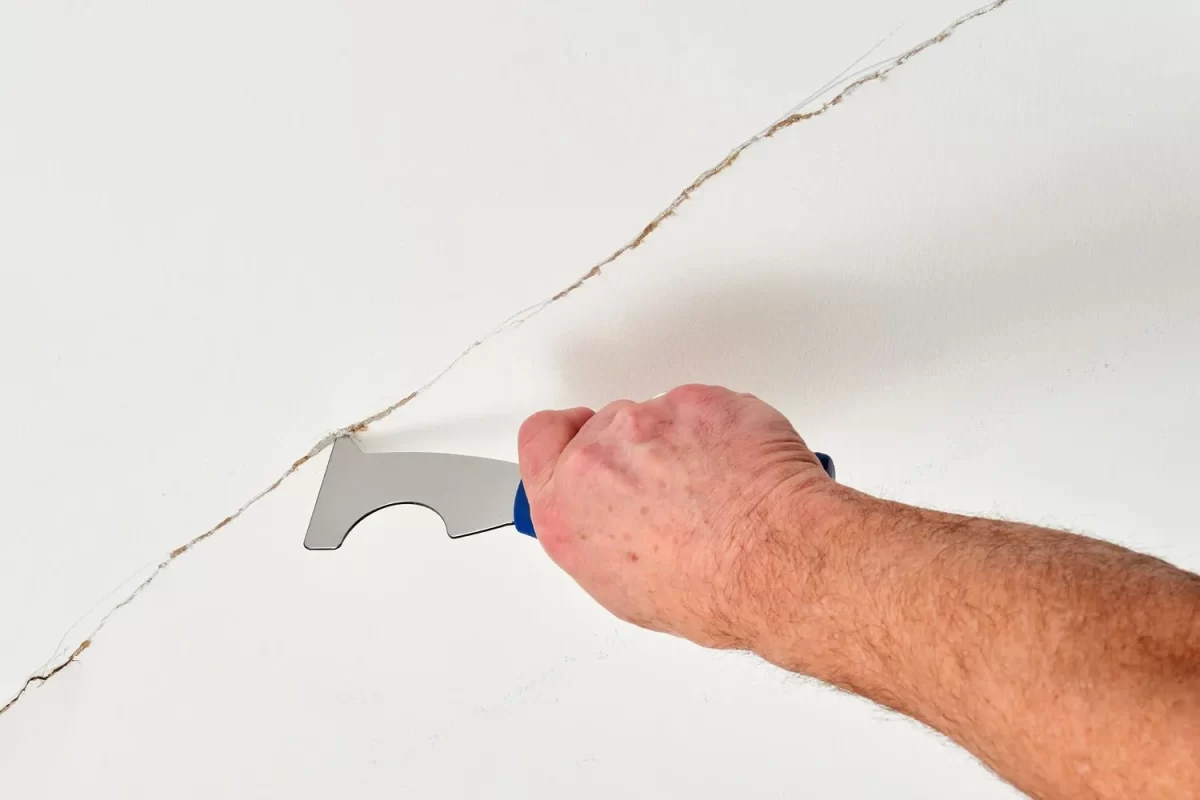
That hairline crack running along your bedroom wall might seem insignificant, but experienced homeowners know better than to dismiss these seemingly minor imperfections. What appears as a cosmetic blemish today could signal underlying issues that demand immediate attention before they escalate into expensive repair nightmares.
Understanding Drywall Crack Development
Drywall cracks rarely appear overnight. They develop gradually as your home responds to various environmental and structural pressures. Temperature fluctuations cause building materials to expand and contract, creating stress points where walls meet ceilings or corners intersect. Seasonal humidity changes compound this effect, particularly in regions experiencing extreme weather variations throughout the year.
New construction settlements represent another primary catalyst for crack formation. During the first two years after construction, homes naturally settle as soil compacts beneath foundations and lumber adjusts to local moisture conditions. This settling process creates micro-movements that manifest as small cracks in drywall surfaces.
Distinguishing Between Harmless and Problematic Cracks
Not every drywall crack indicates serious trouble, but recognizing the difference requires careful observation. Hairline cracks measuring less than one-eighth inch wide typically result from normal settling or minor temperature changes. These superficial cracks often appear along tape joints where drywall panels connect and usually pose minimal structural concerns.
However, certain crack characteristics should trigger immediate investigation. Horizontal cracks running along wall-ceiling joints might indicate foundation movement or structural beam deflection. Diagonal cracks extending from door and window corners suggest frame settling or potential structural instability. Any crack wider than one-quarter inch warrants professional evaluation regardless of location.
Stair-step patterns in drywall, particularly near basement walls or exterior corners, often signal foundation settlement issues. These cracks typically start small but progressively widen as underlying problems worsen. Similarly, cracks that reappear shortly after repair indicate ongoing structural movement requiring expert assessment.
Hidden Dangers Behind Surface Cracks
Small drywall cracks frequently serve as early warning systems for more serious underlying problems. Foundation settlement can manifest as minor wall cracks years before becoming visibly obvious in basement walls or exterior surfaces. Addressing these early indicators prevents costly foundation repairs that could reach tens of thousands of dollars.
Plumbing leaks hidden within wall cavities often create initial damage that appears as small cracks near pipe runs. Moisture infiltration weakens drywall integrity, creating cracks that expand as water damage progresses. Ignoring these signs can lead to extensive mold growth, structural wood rot, and complete wall reconstruction requirements.
Electrical system problems occasionally contribute to drywall cracking when improperly installed fixtures create stress points or when electrical fires cause localized heating that damages surrounding materials. These situations pose safety hazards extending far beyond cosmetic concerns.
Environmental Factors That Accelerate Crack Growth
Indoor air quality significantly impacts drywall stability over time. Consistently high humidity levels above sixty percent can cause gypsum-based drywall to soften and develop stress fractures. Conversely, extremely dry conditions below thirty percent humidity can cause rapid moisture loss, leading to shrinkage cracks.
Poor ventilation exacerbates these humidity-related issues by preventing proper air circulation that would naturally regulate moisture levels. Bathrooms and kitchens without adequate exhaust fans frequently develop drywall problems that begin as small cracks but progress to larger structural issues.
Temperature extremes near heating vents, fireplaces, or poorly insulated exterior walls create thermal stress that repeatedly expands and contracts drywall materials. These cycles eventually weaken the gypsum core, resulting in crack formation that worsens with each heating and cooling season.
Prevention Strategies and Early Intervention
Maintaining consistent indoor humidity between forty and fifty percent helps prevent moisture-related drywall stress. Installing proper ventilation systems in high-moisture areas reduces the risk of humidity-induced damage. Regular visual inspections allow homeowners to identify developing cracks before they become major problems.
Professional evaluation becomes essential when cracks exceed normal settling expectations or display concerning patterns. Structural engineers can determine whether cracks indicate serious foundation or framing issues requiring immediate attention. Early intervention typically costs significantly less than waiting until problems become severe.
Long-Term Consequences of Neglect
Ignoring small drywall cracks can result in progressive damage that affects entire wall systems. What begins as a minor cosmetic issue can evolve into extensive repairs involving framing replacement, electrical rewiring, and plumbing modifications. These comprehensive renovations often cost ten times more than addressing initial crack symptoms.
Water infiltration through neglected cracks creates ideal conditions for mold growth, potentially triggering health issues and requiring expensive remediation procedures. Structural damage progression can compromise home safety and significantly reduce property values.
Taking prompt action when small drywall cracks first appear protects both immediate safety and long-term financial investment in your home.