
Water Damaged Walls? Here’s How Mitigation and Reconstruction Bring Them Back to Life
Water Damaged Walls? Here’s How Mitigation and Reconstruction Bring Them Back to Life
Oct
When water finds its way into your walls, it doesn’t just ruin the paint — it weakens the very structure of your home. Whether it’s from a burst pipe, roof leak, or flood, water damage can spread silently, leading to mold growth, cracks, and even structural instability. This is where water mitigation and reconstruction come into play, the two most critical steps to restoring your property and protecting it from future damage.
In this guide, we’ll walk you through how the process works, why professional water mitigation is essential, and how proper reconstruction restores your walls to their original condition (or even better).
What Is Water Mitigation?
Water mitigation is the first and most crucial step in minimizing the impact of water damage. It involves immediate actions taken to stop water from spreading and causing further harm. Think of it as an emergency response that prevents a small issue from turning into a large-scale disaster.
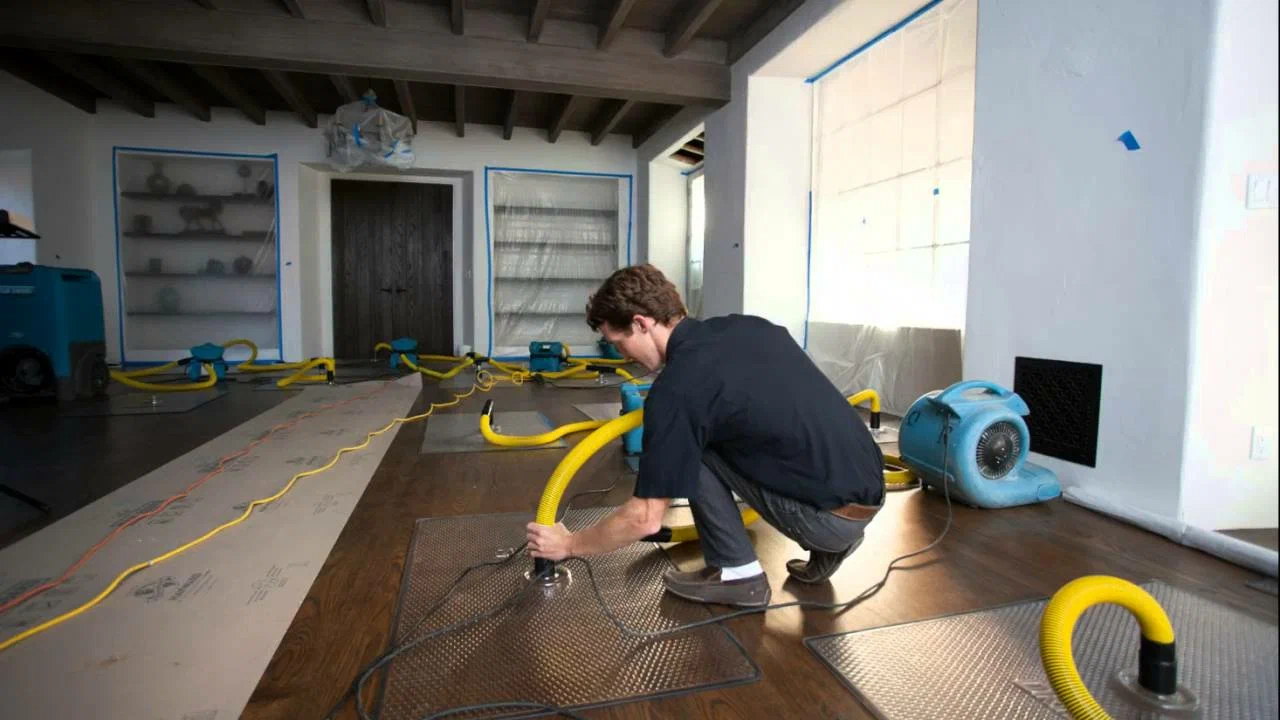
Professional teams use advanced drying equipment, dehumidifiers, and moisture meters to extract standing water and dry out walls, ceilings, and floors. The faster this process begins, the less likely it is for your drywall and other materials to suffer permanent damage.
Steps Involved in Water Mitigation
-
Inspection & Assessment: Experts locate the source of water and evaluate the extent of damage using moisture detection tools.
-
Water Extraction: High-powered pumps and vacuums remove any standing water.
-
Drying & Dehumidification: Specialized air movers and dehumidifiers eliminate hidden moisture from behind walls and flooring.
-
Cleaning & Sanitization: Surfaces are treated to remove bacteria, odors, and potential mold spores.
The goal of water mitigation is simple — stop the damage early and stabilize your property before the reconstruction phase begins.
The Role of Water Restoration and Reconstruction
Once the water mitigation phase is complete and your walls are dry, it’s time for water restoration and reconstruction. This is where damaged materials are repaired, replaced, or rebuilt to bring your property back to its pre-damage condition.
Common Reconstruction Tasks Include:
-
Drywall patching and replacement
-
Repainting and finishing
-
Flooring repair or installation
-
Ceiling restoration
-
Mold remediation (if needed)
In most cases, drywall is the first area affected during water damage because it absorbs moisture quickly. Professional restoration teams carefully remove damaged sections, replace them with new materials, and then texture and paint the surface to match the original look.
Why Professional Water Mitigation and Reconstruction Matter
Many homeowners attempt to handle water damage themselves using fans or DIY repairs, but this often leads to hidden issues later. Moisture trapped behind walls can cause mold growth and structural deterioration that isn’t visible until it’s too late. That is why thearticleforest also shares the insights about this matter.
Here’s why hiring experts for water mitigation and reconstruction is always worth it:
-
Proper Equipment: Professionals use industrial-grade dryers and moisture meters to ensure your walls are 100% dry.
-
Mold Prevention: Timely mitigation prevents mold from developing in hidden corners.
-
Structural Integrity: Skilled technicians restore damaged drywall and framing, ensuring your home remains safe.
-
Insurance Compliance: Most insurance policies require professional documentation for water damage claims.
In short, expert restoration doesn’t just fix the problem it prevents future ones.
How the Process Works: From Water to Wall Perfection
Here’s a closer look at how professionals handle a complete water mitigation and reconstruction project:
1. Emergency Response:
Once the source of water is identified and stopped, the team arrives with drying equipment to prevent secondary damage.
2. Damage Assessment
Technicians inspect walls, ceilings, and floors using infrared cameras to detect hidden moisture that may not be visible.
3. Water Extraction & Drying
Standing water is removed using pumps and vacuums. Then, industrial fans and dehumidifiers run for several days to ensure deep drying.
4. Demolition & Cleanup
Any materials that can’t be saved — like soaked drywall or insulation — are safely removed. The area is then disinfected and deodorized.
5. Reconstruction & Restoration
This phase includes drywall patching, repainting, flooring replacement, and finishing touches to make the space look new again.
By the end of the process, your home doesn’t just look restored — it’s structurally sound and safe for the long term. Once the source of water is identified and stopped, the team arrives with drying equipment to prevent secondary damage.
Why Choose Professional Drywall and Water Restoration Experts
For homeowners and businesses alike, combining drywall repair, water mitigation, and reconstruction under one service provider ensures faster recovery and consistent quality.
A dedicated restoration team ensures:
-
Quick response to limit damage spread
-
Accurate moisture detection
-
Complete wall reconstruction and finishing
-
Long-term protection through sealing and waterproofing
Professionals not only restore your walls — they bring peace of mind.
Water damage can be stressful, but with the right water mitigation and reconstruction process, your home can return to its original beauty and strength. Acting quickly, hiring experienced professionals, and ensuring proper drying and repair are the keys to preventing long-term issues like mold, decay, and repeated damage.
Whether you’re dealing with a small leak or major flooding, investing in professional water restoration is the smartest way to protect your property and maintain its value.