Uncategorized
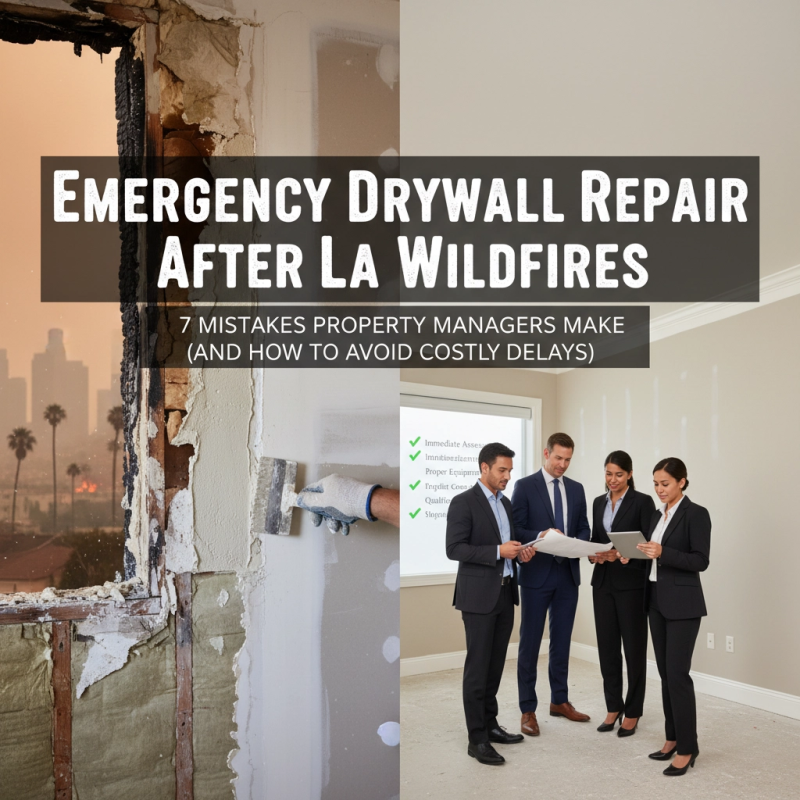
Emergency Drywall Repair After LA Wildfires: 7 Mistakes Property Managers Make (And How to Avoid Costly Delays)
Dec
When wildfires strike Los Angeles, property managers face immediate pressure to restore damaged buildings quickly and cost-effectively. However, the rush to return properties to livable condition often leads to critical mistakes that can double restoration costs and extend timelines by months. Understanding these common pitfalls is essential for protecting your investment and ensuring proper recovery.
In this comprehensive guide, you’ll gain valuable insights into the seven most costly mistakes property managers make during emergency drywall repair after wildfire damage. By the end of this article, you’ll be equipped with the knowledge to avoid these expensive errors and streamline your restoration process with confidence.
The stakes are high: improper fire damage restoration can result in ongoing structural issues, insurance complications, and tenant displacement that extends far beyond the initial timeline. Let’s examine each mistake in detail and provide you with actionable strategies to prevent costly delays.
I. Mistake #1: Painting Over Smoke Damage Without Proper Preparation
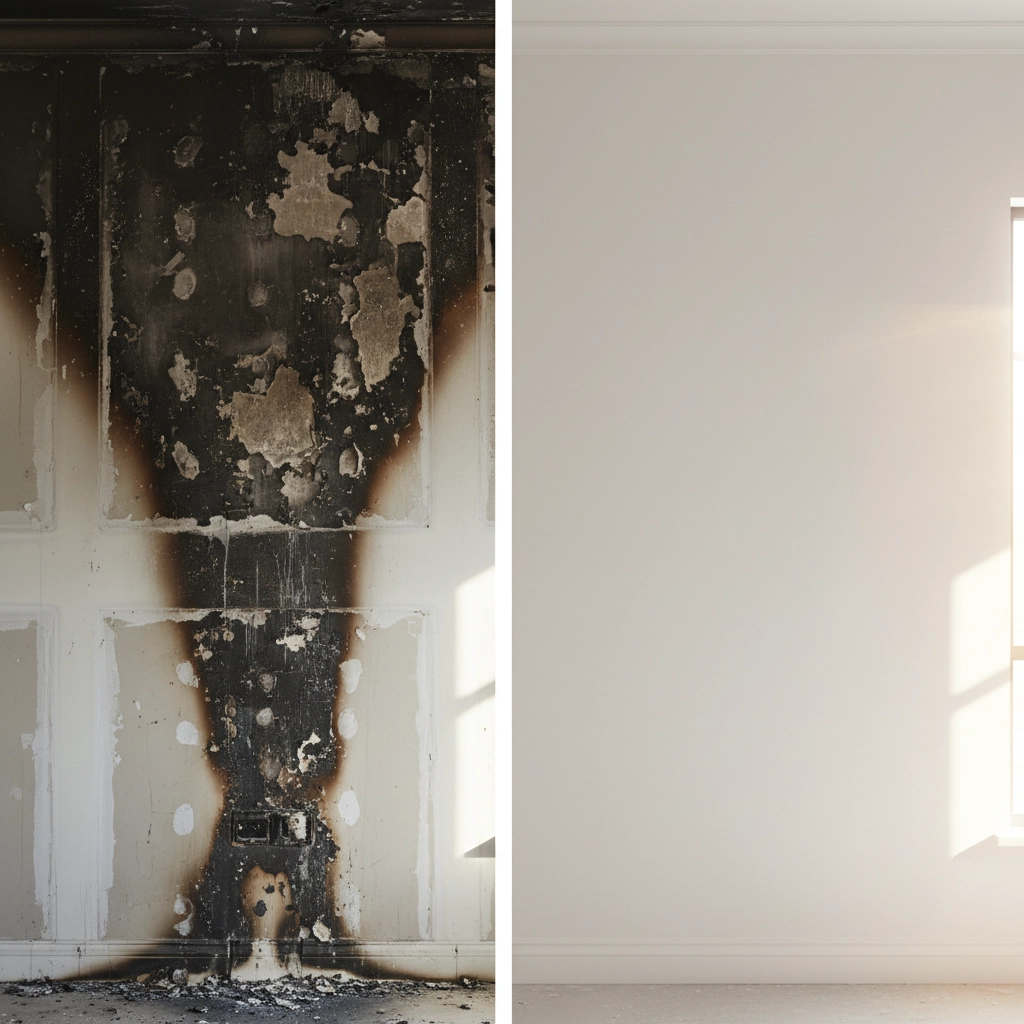
One of the most frequent and expensive errors is attempting to paint over smoke staining instead of removing residue first. This approach creates a false sense of completion while allowing contamination to persist beneath the surface.
When you paint over smoke damage without proper cleaning, the residue continues to cause odor issues, surface deterioration, and potential health hazards. The paint will often fail prematurely, requiring complete removal and proper restoration later: essentially doubling your labor costs.
How to Avoid This Mistake: Always conduct thorough smoke residue removal before any painting begins. This involves specialized cleaning solutions and techniques that neutralize odor-causing particles. In many cases, affected drywall sections require complete replacement rather than surface treatment. Work with certified restoration professionals who understand the difference between cleanable and non-restorable surfaces.
II. Mistake #2: Delaying Structural Drying After Firefighting Efforts
Delaying the drying process after firefighting efforts represents another major mistake that significantly increases restoration complexity. Water used to combat fires can cause as much damage as the fire itself when not addressed promptly.
According to restoration guidelines, proper drying and moisture removal are crucial within the first 24-48 hours to minimize long-term damage. Postponing this step allows moisture to penetrate deeper into wall cavities, creating conditions for mold growth, structural deterioration, and secondary damage that can extend recovery timelines by weeks or months.
How to Avoid This Mistake: Immediately deploy commercial-grade dehumidifiers and air movers after the fire department clears the property. Use moisture meters to verify that all affected areas reach acceptable dryness levels before proceeding with repairs. Document moisture readings for insurance purposes and maintain detailed logs throughout the drying process.
III. Mistake #3: Inadequate Damage Assessment and Planning
Rushing into repairs without comprehensive damage assessment leads to discovered problems mid-project, which disrupts timelines and increases costs dramatically. Many property managers underestimate the scope of fire damage, focusing only on visible issues while missing hidden structural problems.
Fire damage often extends beyond obvious burn marks and smoke stains. Heat can compromise structural integrity, while smoke penetrates into wall cavities, HVAC systems, and insulation. Without proper assessment, you’ll encounter unexpected issues that require work stoppage and plan modifications.
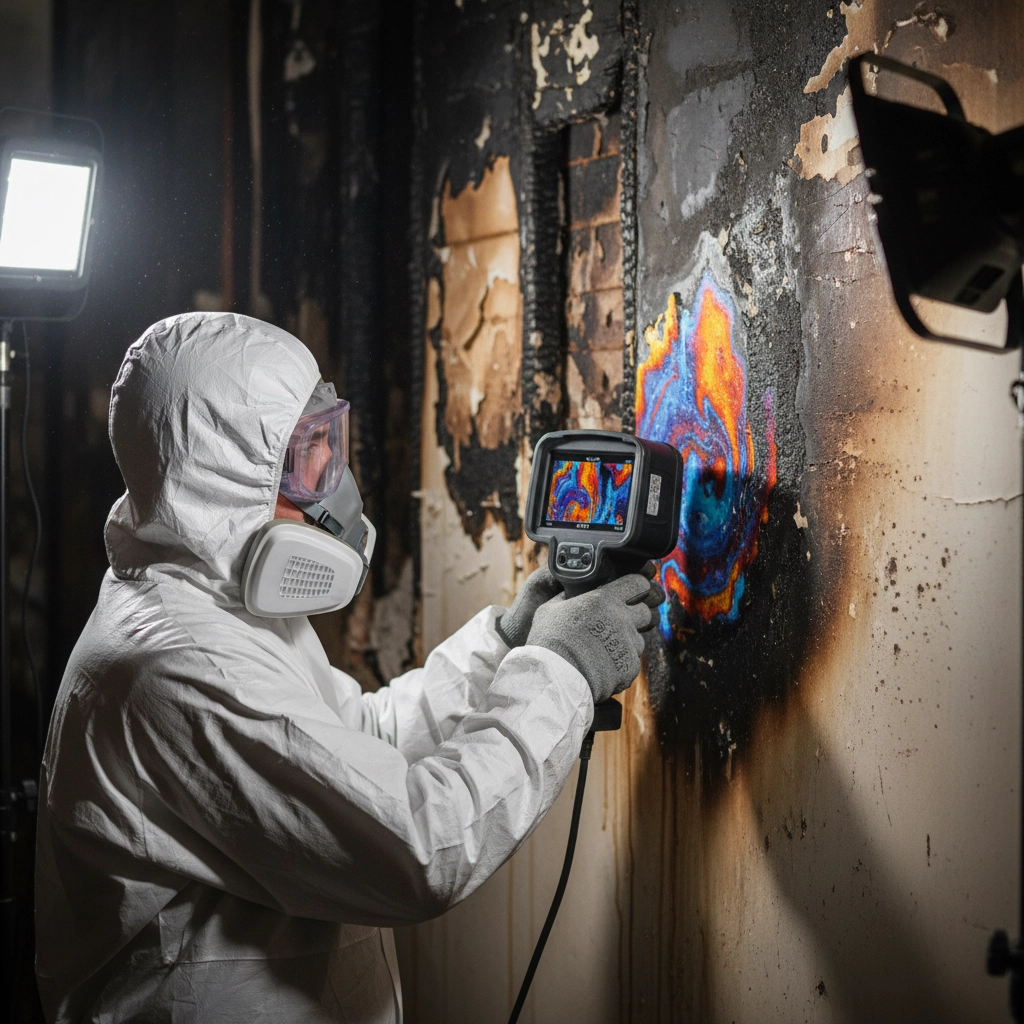
How to Avoid This Mistake: Conduct thorough visual and technical inspections before beginning any repairs. Use thermal imaging cameras to identify hidden heat damage and moisture meters to detect lingering dampness. Create a detailed restoration plan that outlines the timeline, scope of work, and potential complications. Always budget for contingencies based on your assessment findings.
IV. Mistake #4: Poor Documentation and Insurance Coordination
Failing to properly document damage or coordinate with insurance adjusters creates significant payment delays and coverage disputes. Many property managers proceed with repairs before establishing clear communication protocols with their insurance providers.
Improper documentation can result in claim denials, underpayments, or lengthy disputes that halt restoration work. Without detailed photographic evidence, scope documentation, and professional assessments, you may find yourself unable to prove the extent of damage or necessity of specific repairs.
How to Avoid This Mistake: Document everything before, during, and after the restoration process. Take detailed photographs from multiple angles, maintain written logs of all activities, and request separate line items for restoration versus repair work. Coordinate directly with your insurance adjuster throughout the process and ensure your contractor provides detailed scope documentation that aligns with insurance requirements.
V. Mistake #5: Ignoring Safety Protocols and Professional Standards
Many property managers compromise on safety measures or attempt DIY solutions to reduce costs, creating liability issues and potential injury risks. Fire-damaged structures can contain hazardous materials, compromised electrical systems, and unstable structural elements.
Attempting repairs without proper safety protocols can result in worker injuries, liability claims, and code violations that require costly corrections. Additionally, improper handling of fire-damaged materials can spread contamination to previously unaffected areas.
How to Avoid This Mistake: Always conduct structural integrity inspections before beginning work. Address exposed electrical wires, compromised support structures, and potential hazards before proceeding with drywall repairs. Use certified professionals with appropriate safety training and equipment. Set up proper containment barriers and air filtration systems to prevent contamination spread.
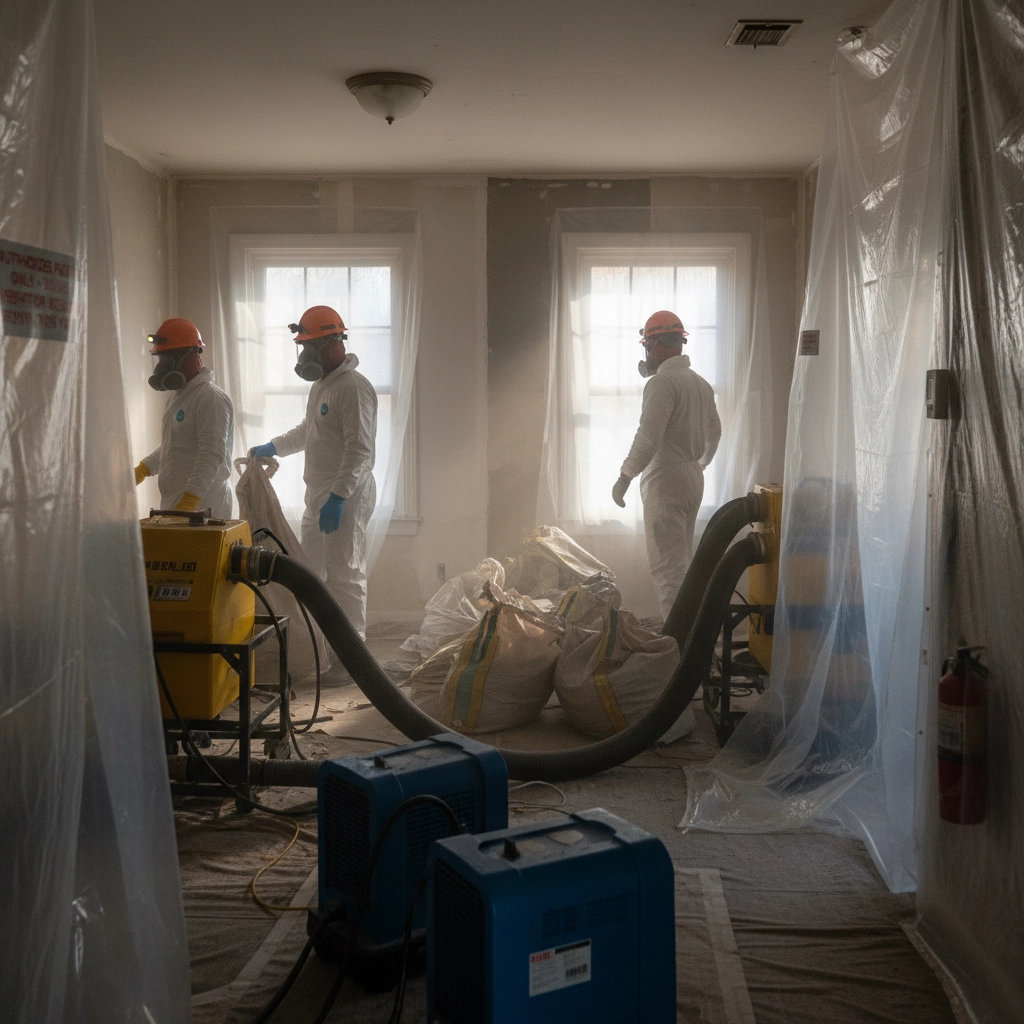
VI. Mistake #6: Missing Hidden Structural Damage
Fire damage often causes hidden structural damage not visible during initial assessments, including compromised wall framing, damaged electrical systems, and weakened foundation elements. Many property managers focus solely on surface-level repairs while missing critical structural issues.
Hidden damage typically reveals itself during construction, causing work stoppages, plan modifications, and significant cost increases. This mistake can transform a straightforward drywall repair project into a major structural renovation.
How to Avoid This Mistake: Invest in comprehensive structural assessments using qualified engineers when fire damage is extensive. Remove damaged drywall down to the studs to fully expose the underlying structure. Inspect electrical, plumbing, and HVAC systems that may have been compromised by heat or water. Address all structural issues before beginning drywall installation to prevent costly discoveries later.
VII. Mistake #7: Ignoring Updated Building Code Requirements
Repaired and reconstructed properties must comply with current building codes, which often include enhanced fire protection requirements not present when the building was originally constructed. Many property managers fail to account for these upgraded standards during planning.
Code compliance issues discovered during inspections can halt work completely until modifications are made. This mistake can add weeks to your timeline and require expensive material upgrades or design changes.
How to Avoid This Mistake: Research current building code requirements before beginning restoration work. Consult with local building departments to understand specific fire protection upgrades that may be required. Factor code compliance costs and timelines into your initial project planning. Work with contractors who understand current regulations and can incorporate necessary upgrades seamlessly into the restoration process.
Protecting Your Investment Through Proper Planning
Successfully managing emergency drywall repair after wildfire damage requires comprehensive planning, professional coordination, and attention to detail. Each of these seven mistakes can significantly impact your project timeline and budget, but they’re entirely preventable with proper preparation and professional guidance.
The key to avoiding costly delays lies in taking a methodical approach that prioritizes safety, thorough assessment, and clear communication with all stakeholders. When you invest time in proper planning and professional coordination upfront, you’ll protect your property investment and ensure a successful restoration outcome.
By understanding these common pitfalls and implementing the prevention strategies outlined above, you’ll be equipped to navigate the complex process of fire damage restoration with confidence. Remember that working with experienced drywall repair contractors who understand fire damage restoration can make the difference between a successful project and costly complications that extend for months.