Uncategorized
Emergency Drywall Repair: 7 Mistakes Property Managers Make When Water Strikes (And How to Fix Them)
Nov
Emergency Drywall Repair: 7 Mistakes Property Managers Make When Water Strikes (And How to Fix Them)
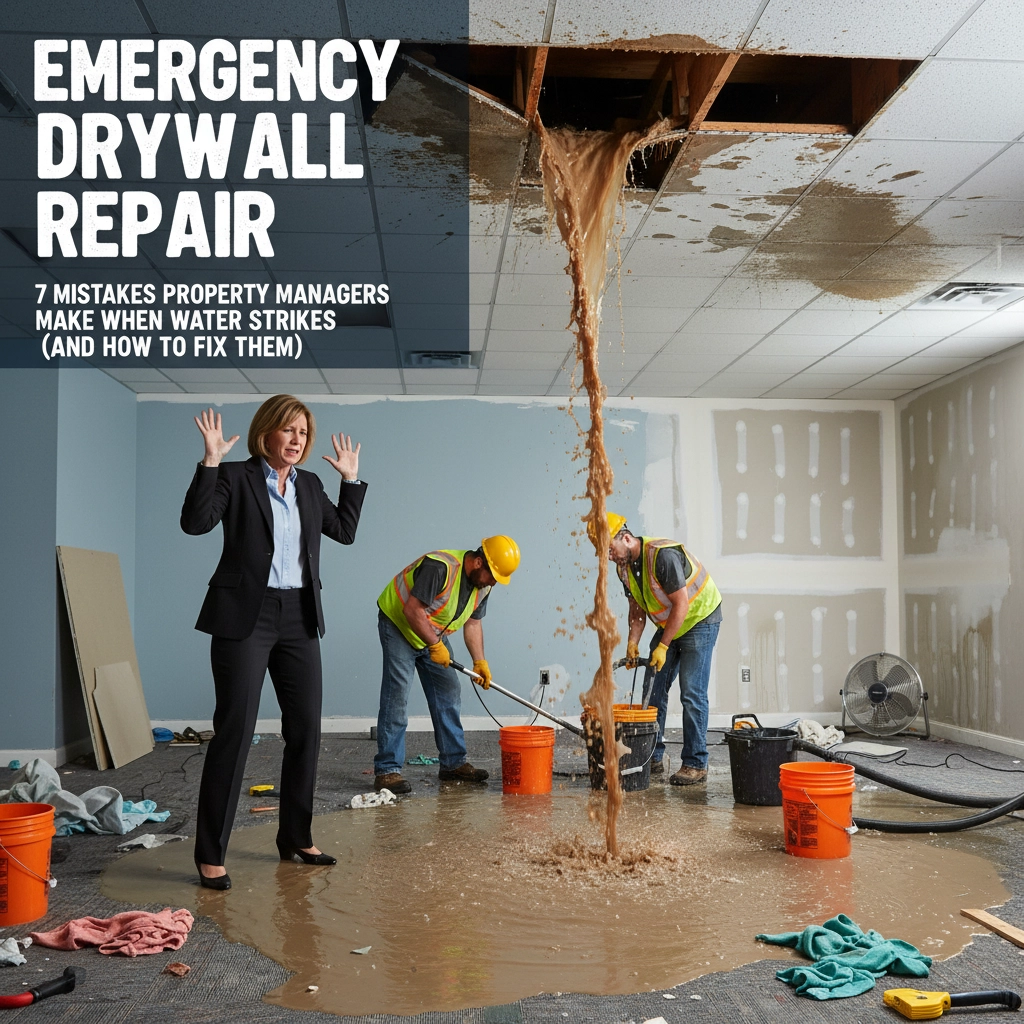
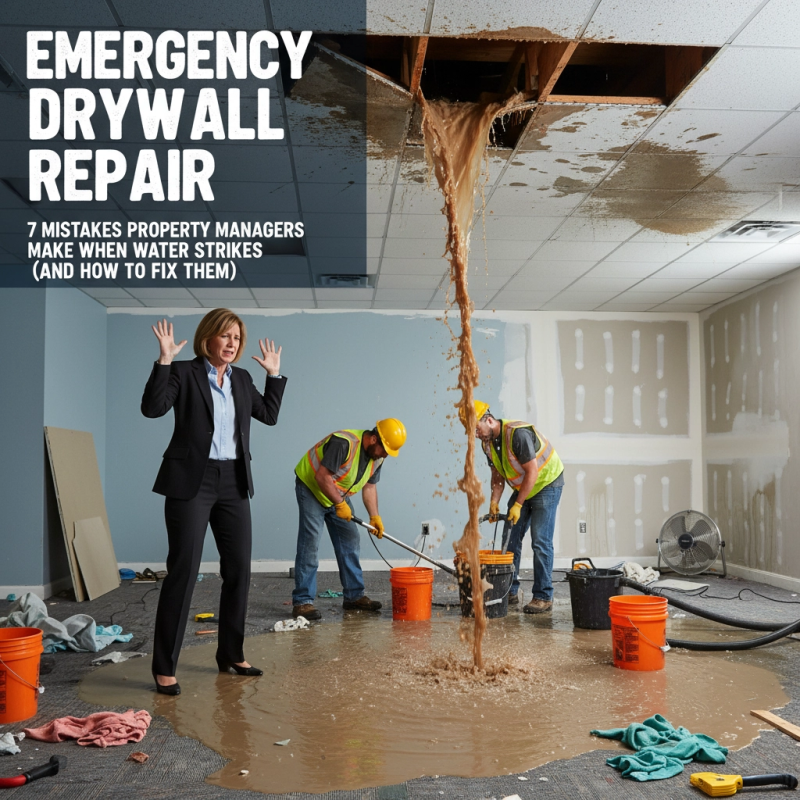
Water damage emergencies can transform from manageable situations into costly disasters in a matter of hours. As a property manager, you’re on the front lines when pipes burst, roofs leak, or flooding strikes your buildings. While swift action is essential, rushing into emergency drywall repair without proper knowledge can amplify damage and skyrocket costs.
In this comprehensive guide, you’ll gain valuable insights into the seven most common: and expensive: mistakes property managers make during water damage restoration. More importantly, you’ll be equipped with the knowledge to avoid these pitfalls and protect your properties from long-term damage. By the end of this article, you’ll understand why professional intervention often saves money compared to well-intentioned but misguided repair attempts.
I. Ignoring the Source of Water Damage
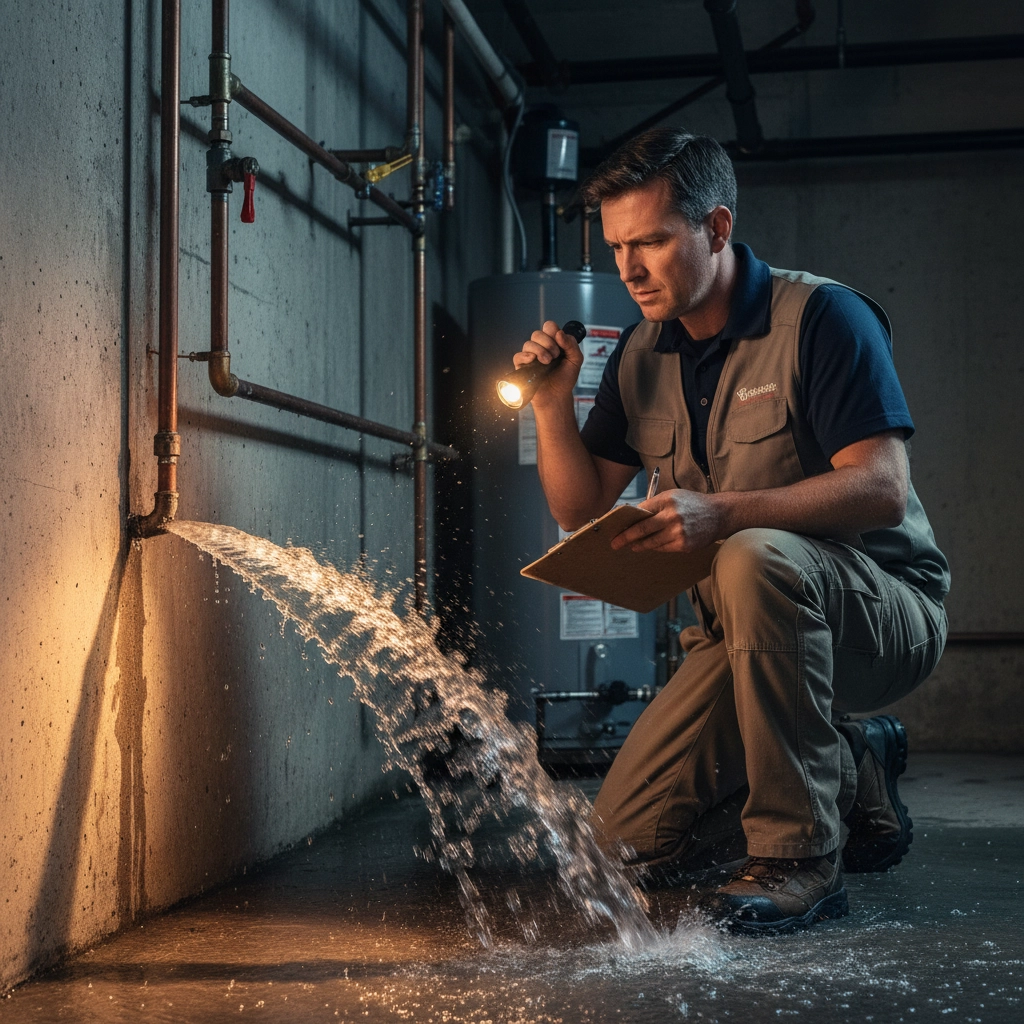
The most catastrophic mistake property managers make is focusing exclusively on visible wall damage while the underlying water source continues to wreak havoc. This approach creates a dangerous cycle of temporary fixes that inevitably fail, leading to exponentially higher repair costs and potential liability issues.
When you discover water damaged drywall, your first instinct might be to start removing wet materials immediately. However, proceeding with drywall repairs while water continues to enter the building is like bailing water from a sinking boat without plugging the hole. The source must be identified and eliminated before any restoration work begins.
The Fix: Implement a systematic approach to water damage response. First, shut off the main water supply to prevent further flooding. Next, trace the water source methodically: check for burst pipes, failed waterproofing, roof leaks, or HVAC condensation issues. Document everything with photos for insurance purposes. Only after you’ve confirmed the source is eliminated should you begin assessing drywall damage.
II. Delaying Professional Emergency Response
Property managers often delay calling restoration professionals, believing they can handle the initial response independently to save costs. This penny-wise, pound-foolish approach frequently results in mold growth, structural damage, and insurance complications that far exceed the cost of immediate professional intervention.
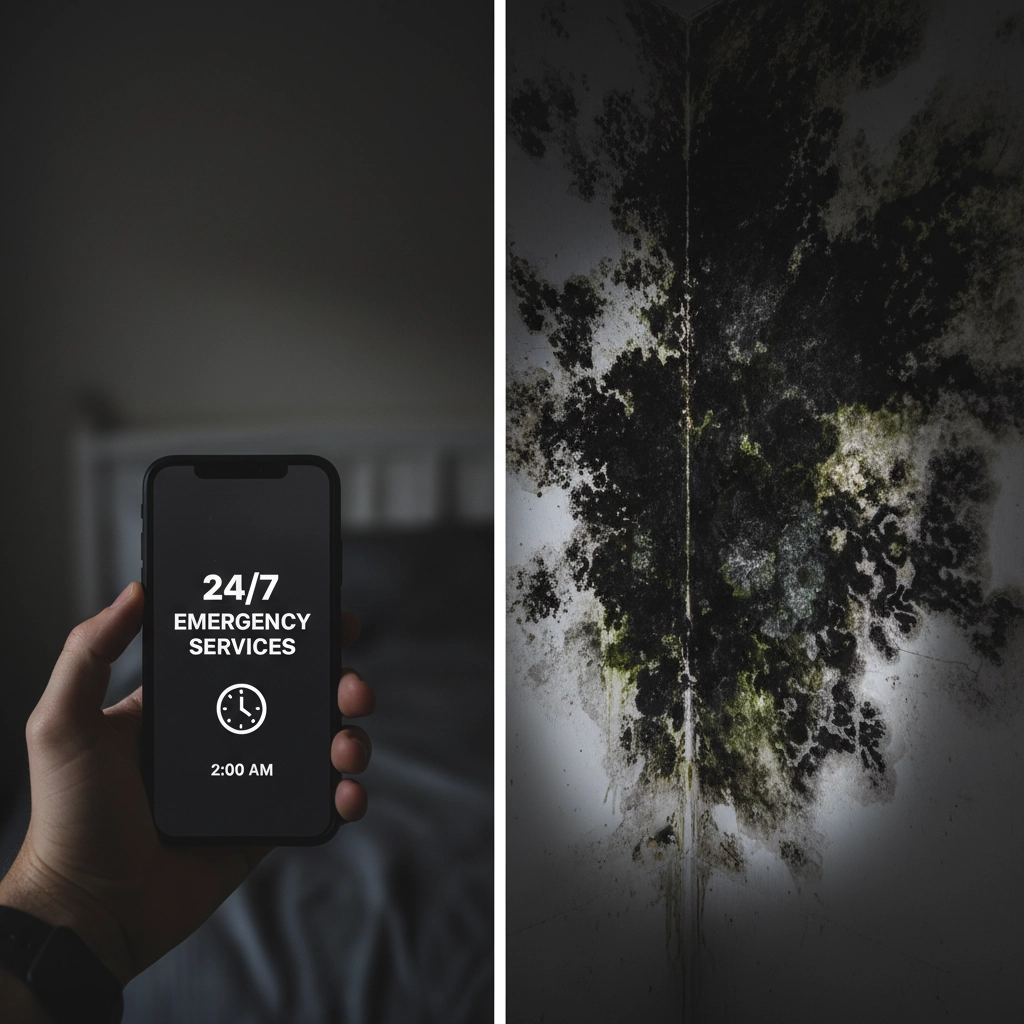
Water damage follows an aggressive timeline. Within 24-48 hours, mold spores begin colonizing damp drywall and insulation. Within a week, structural wood can begin softening and warping. Each day of delay exponentially increases restoration costs and reduces the likelihood of salvaging existing materials.
The Fix: Establish relationships with emergency drywall repair services before you need them. Maintain a list of certified restoration professionals who offer 24/7 response in your area. When water strikes, contact professionals immediately: even if you believe the damage appears minor. Many restoration companies provide free assessments that can identify hidden moisture problems invisible to the naked eye.
III. Inadequate Damage Assessment and Measurement
Rushing into drywall removal without proper assessment leads to incomplete repairs that fail within months. Many property managers make the critical error of addressing only visible damage, leaving hidden moisture trapped within wall cavities where it breeds mold and continues deteriorating structural elements.
Professional restoration follows the “2.5-foot rule”: when water levels reach 2.5 feet, drywall should be removed up to 4 feet high to ensure complete elimination of contaminated materials. This seemingly excessive approach prevents the need for repeat repairs and protects building occupants from health hazards.
The Fix: Invest in moisture detection equipment or ensure your restoration team uses advanced tools to map all affected areas. Thermal imaging cameras and moisture meters reveal problems lurking behind seemingly dry walls. Document moisture readings throughout the affected areas and extend drywall removal well beyond visible damage zones to prevent future problems.
IV. Using Inadequate Tools and Materials
Property managers attempting DIY water damage repairs often underestimate the specialized equipment required for professional results. Using household tools like utility knives, basic screwdrivers, and standard joint compound on water-damaged structures compromises repair quality and longevity.
Water damaged drywall requires precision cutting to avoid damaging electrical systems, plumbing, or HVAC components hidden within walls. Standard tools lack the control needed for safe, precise cuts around these critical building systems. Additionally, using standard drywall materials in previously water-damaged areas without proper moisture barriers sets the stage for future failures.
The Fix: If circumstances require immediate DIY intervention, invest in professional-grade tools including oscillating multi-tools for precise cuts, industrial moisture meters, and high-volume fans for proper drying. Use mold-resistant drywall products and moisture barriers in areas previously affected by water damage. However, recognize that professional restoration teams arrive equipped with specialized tools that ensure superior, long-lasting results.
V. Improper Installation Techniques
Even when using quality materials, improper installation techniques create visible imperfections and structural weaknesses that compromise the repair’s integrity. The most common installation errors include incorrect screw depth, inadequate stud attachment, and misaligned drywall sheets that create unsightly seams.
Fasteners driven too deeply break the drywall’s paper facing, reducing holding strength and creating dimples that require extensive finishing work. Conversely, fasteners that don’t penetrate deeply enough create raised spots that telegraph through paint and create visual imperfections that mark the area as repaired.
The Fix: Follow manufacturer specifications precisely for fastener placement and depth. Screws should penetrate drywall just enough to create a slight dimple without breaking the paper surface. Ensure all edges land on studs or blocking for maximum stability. Take time to properly align sheets: rushing this step creates compound problems during finishing that are difficult and expensive to correct later.

VI. Excessive Joint Compound Application
Novice repairers commonly apply too much joint compound, believing more material creates stronger, smoother joints. In reality, excessive compound creates uneven surfaces that stand out from surrounding walls, requiring extensive sanding and multiple coats to achieve acceptable results.
Heavy compound application also extends drying times significantly, potentially trapping moisture within the repair area. This trapped moisture can reactivate dormant mold spores or create new moisture problems that undermine the entire restoration effort.
The Fix: Apply joint compound in thin, even layers using proper techniques. The first coat should embed tape and fill major gaps. Subsequent coats should feather edges smoothly into surrounding surfaces. Allow each coat to dry completely before applying the next. Quality primer designed for new drywall ensures the repaired area blends seamlessly with existing painted surfaces.
VII. Attempting Complex Restoration Without Professional Expertise
The most expensive mistake property managers make is attempting comprehensive water damage restoration without understanding the full scope of the problem. Water damage repair involves more than replacing drywall: it requires addressing insulation, electrical systems, plumbing, HVAC components, and potential structural damage that may not be immediately visible.
DIY attempts often focus on surface-level repairs while missing critical issues like compromised electrical circuits, damaged insulation, or structural wood that requires treatment or replacement. These oversights create safety hazards and expensive surprise repairs that emerge months or years later.
The Fix: Recognize when projects exceed your expertise and budget accordingly for professional intervention. Restoration professionals provide comprehensive services including emergency assessment, industrial water extraction, systematic drying, precise material removal and replacement, and expert finishing. They also work directly with insurance companies, reducing administrative burden while ensuring proper documentation for claims.
Professional restoration teams employ a salvage-first approach that minimizes costs by preserving materials whenever possible while ensuring thorough remediation of all water damage. This balanced strategy protects your investment while delivering results that stand the test of time.
Taking Action When Water Strikes
Understanding these common mistakes positions you to make informed decisions during water damage emergencies. While some minor repairs may be appropriate for DIY handling, significant water damage requires professional expertise to ensure complete, lasting restoration.
The key to successful emergency drywall repair lies in swift, informed action that addresses both immediate damage and underlying causes. Professional restoration services provide the expertise, equipment, and systematic approach necessary to protect your properties and minimize long-term costs.
Remember that water damage restoration is a race against time. Mold growth, structural deterioration, and secondary damage accelerate rapidly in compromised buildings. By avoiding these seven critical mistakes and engaging qualified professionals when appropriate, you’ll protect your properties, reduce costs, and ensure the safety and satisfaction of your tenants.