
Uncategorized
Drywall Patch Service Near Me: 10 Things You Should Know Before That Small Leak Becomes a $10,000 Problem

Jan
That small water stain on your ceiling might look innocent enough, but it’s often the tip of an iceberg that can sink your budget faster than you’d imagine. We’ve seen too many property owners ignore minor drywall damage only to face massive repair bills later. In this comprehensive guide, you’ll gain valuable insights into the critical factors that separate a quick, affordable fix from a financial disaster.
By understanding these ten essential considerations before hiring a drywall patch service, you’ll be equipped with the knowledge to make informed decisions, avoid costly mistakes, and protect your property investment. Whether you’re dealing with a small hole, hairline crack, or mysterious water damage, this detailed analysis will help you navigate the repair process with confidence.
I. Labor Costs Will Dominate Your Bill – Plan Accordingly
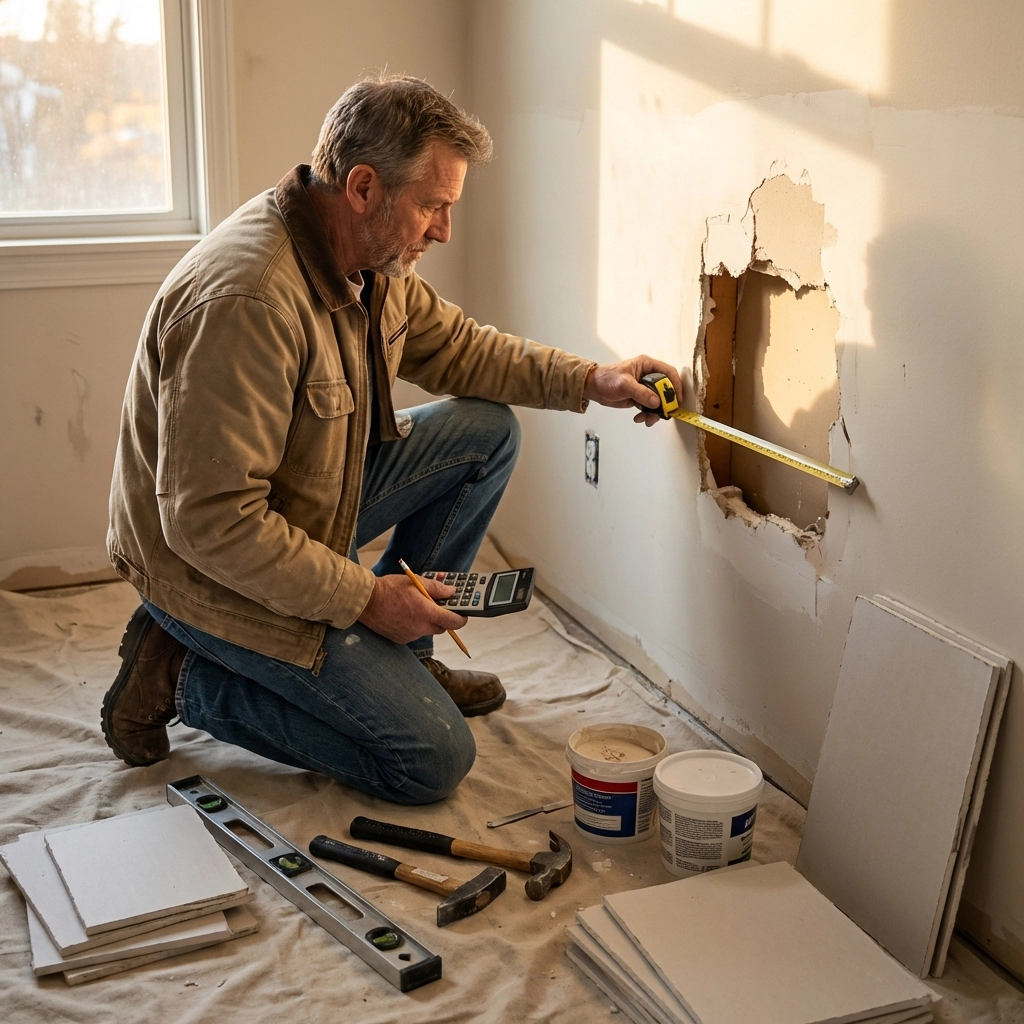
Here’s something most property owners don’t realize: labor typically accounts for 65–75% of your total drywall repair cost. This means that the hourly rate of your contractor has the biggest impact on your final bill, not the materials themselves.
Professional drywall technicians charge between $40–$100 per hour, with most reputable contractors in our market ranging $60–$90 per hour. Alternatively, many contractors quote projects at $50–$80 per square foot, which can be more predictable for budgeting purposes.
Understanding this labor-heavy cost structure is crucial for making smart decisions. When you’re comparing quotes, focus primarily on the contractor’s hourly rate, efficiency, and reputation rather than minor differences in material costs. A skilled technician who works quickly and delivers quality results will often provide better value than a cheaper alternative who takes twice as long.
II. Small Jobs Cost Disproportionately More Per Square Foot
One of the most frustrating surprises for property owners is discovering that smaller jobs cost significantly more per square foot than larger repairs. This isn’t contractors trying to gouge you – it’s simple economics.
A 2-square-foot patch requires nearly as much setup time, travel, and minimum effort as a 10-square-foot repair. Contractors need to load equipment, drive to your location, set up protective coverings, mix materials, and clean up regardless of job size. These fixed costs don’t scale down with smaller repairs.
This reality means that very small holes or cracks might cost $75–$150 even though the damaged area is minimal. Before calling for service, consider whether you have multiple small repairs that could be bundled together for better value. We often recommend property managers compile a list of minor issues throughout their building and address them in a single service call.
III. Water Damage Is Your Biggest Cost Risk
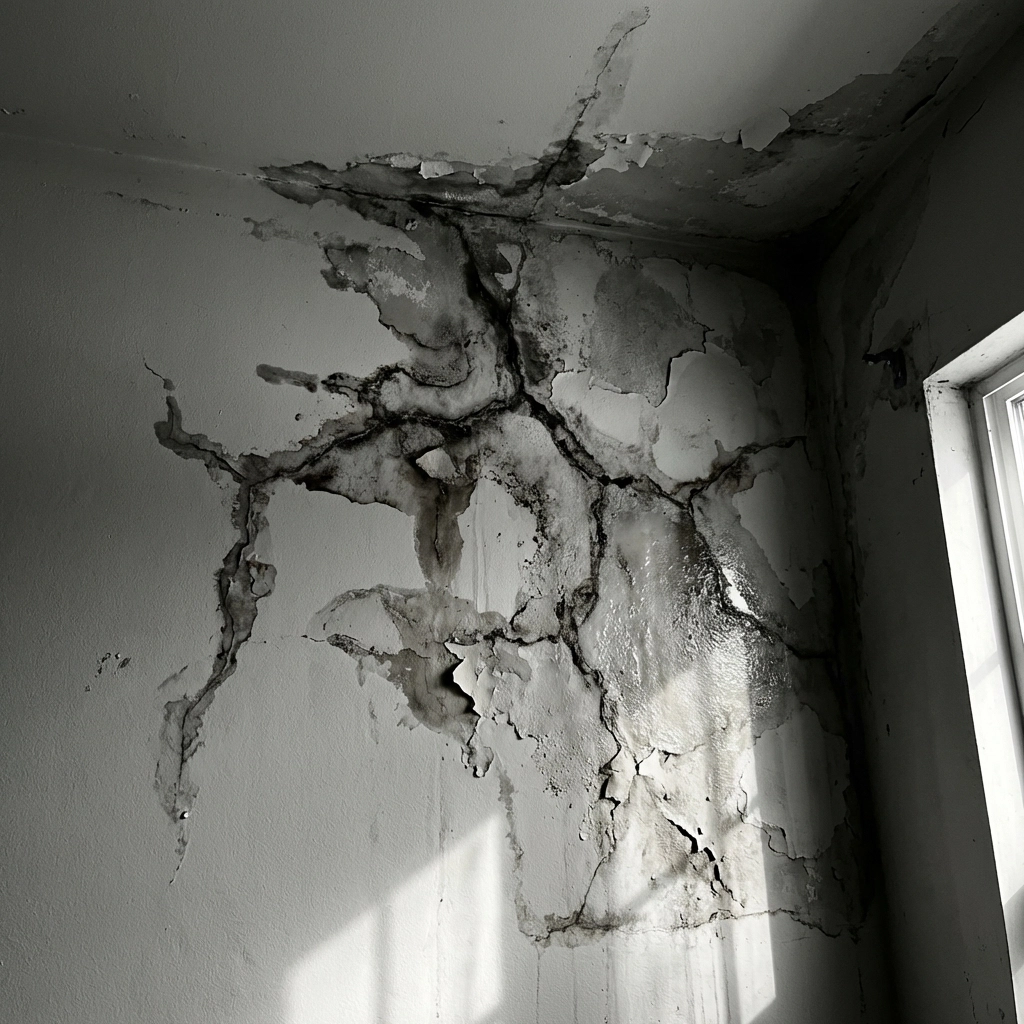
Of all the damage types we encounter, water damage represents the highest cost risk to property owners. While small holes might cost $10–$135 and cracks range from $10–$450, water damage repairs typically run $550–$1,600, with severe cases reaching $2,500 or more.
The reason water damage is so expensive isn’t just the visible damage you can see. Moisture spreads behind walls, weakens structural elements, promotes mold growth, and often requires extensive drying, remediation, and replacement of multiple building components. What starts as a small ceiling stain can quickly reveal damaged insulation, compromised framing, and contaminated areas requiring professional remediation.
Flood cut repairs – removing sheetrock above the waterline after flooding – typically range $400–$800 and often represent just the beginning of the restoration process. Time is absolutely critical with water damage. The longer moisture remains in your building materials, the more extensive and expensive the repairs become.
IV. Recurring Cracks Signal Bigger Problems Than Cosmetic Damage
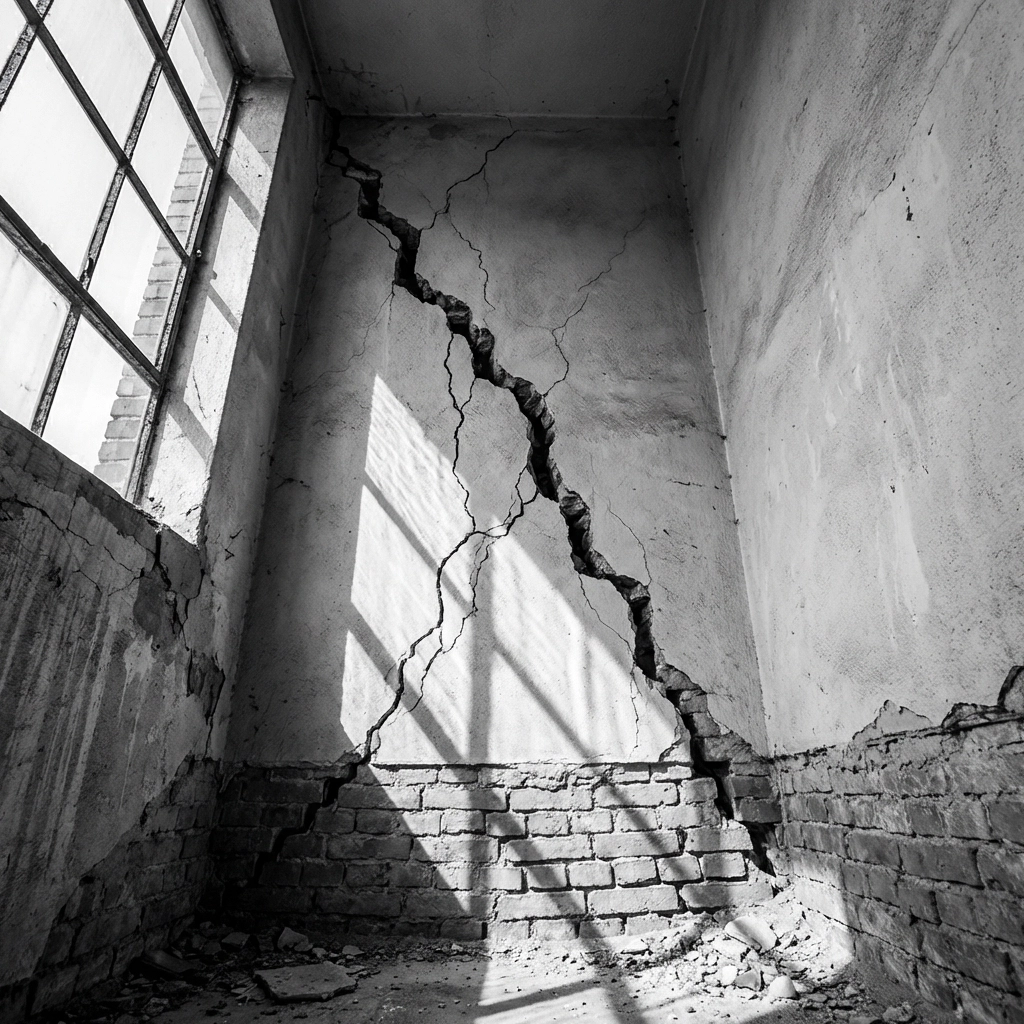
Not all cracks are created equal, and this distinction can save you thousands in repeated repairs. Recurring cracks often signal foundation movement or structural settlement rather than simple cosmetic damage. Attempting to patch these cracks without addressing the underlying cause is like putting a bandage on a broken bone.
Before authorizing crack repairs, ensure your contractor evaluates the pattern, location, and history of the damage. Horizontal cracks, stair-step patterns in corners, or cracks that reappear in the same location after previous repairs typically require structural specialist evaluation rather than simple patching.
Addressing foundation movement, settling issues, or structural problems upfront prevents the cycle of repeated repairs and escalating costs. While the initial assessment might cost more, it’s far less expensive than patching the same crack every six months for years.
V. Geographic Location Significantly Impacts Your Repair Costs
Your location plays a major role in drywall repair pricing, with urban markets running 25–40% higher than rural areas. This difference stems from higher labor costs, increased overhead expenses, stricter permitting requirements, and greater demand for services in metropolitan areas.
If you’re managing properties in Orange County, expect to pay premium rates compared to rural communities. However, this higher cost often corresponds with greater availability of skilled technicians, faster response times, and more comprehensive service options.
Understanding your local market helps set realistic expectations for quotes. Don’t automatically assume a higher quote means you’re being overcharged – it might simply reflect your area’s prevailing market rates for quality work.
VI. Accessibility Issues Can Double Your Repair Costs
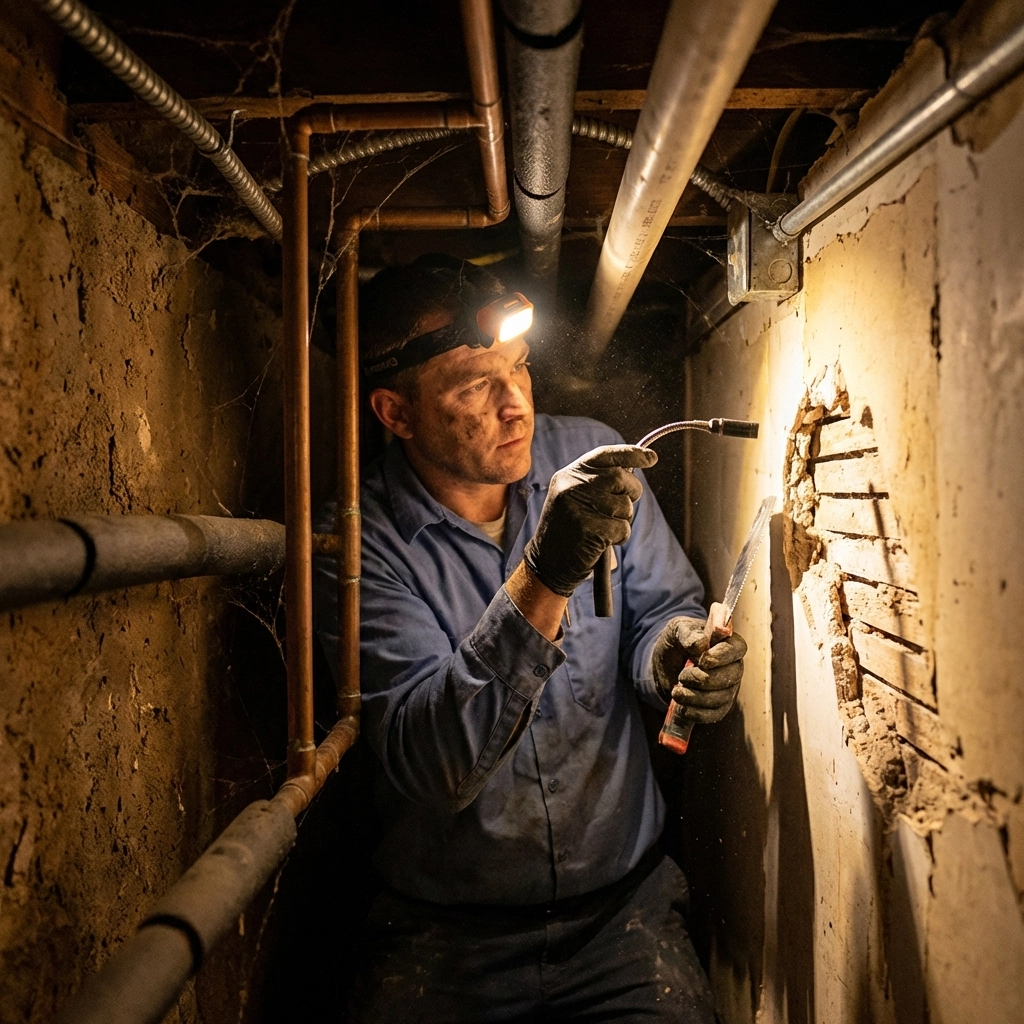
Complex accessibility situations and working around existing systems significantly increase repair costs. Tight spaces, high ceilings, areas with extensive plumbing or electrical systems, and locations requiring special equipment or safety measures all drive up labor time and complexity.
A simple patch in an open wall might take 2 hours, while the same repair behind a toilet, above a stairwell, or in a cramped mechanical room could require 4–6 hours. Contractors may need to remove fixtures, coordinate with other trades, or use specialized equipment to access the damaged area safely.
Before requesting quotes, honestly assess the accessibility of your damage. Mention any obstacles, tight spaces, or special considerations to get accurate estimates rather than discovering cost overruns during the work.
VII. Material Costs Are a Small Fraction of Your Total Bill
Here’s some good news: materials typically represent only a small fraction of your total repair bill. For small repairs, expect materials to add $25–$75, while larger jobs requiring full sheets might include $100–$300 in materials costs.
This low material cost means that upgrading to higher-quality products – such as mold-resistant drywall, premium texture matching compounds, or better primers – often adds minimal expense while providing significant long-term value. Don’t penny-pinch on materials when the labor investment is so much larger.
However, be wary of contractors who dramatically mark up material costs. Since these components represent such a small portion of the total bill, excessive material charges often indicate pricing practices you should question.
VIII. Timing Your Repairs Can Save Significant Money
The timing of your drywall repairs affects both cost and quality outcomes. Addressing damage immediately prevents minor issues from becoming major expenses. That small water stain might seem stable, but continued moisture exposure weakens surrounding materials and promotes mold growth that requires extensive remediation.
Seasonal considerations also matter. Many contractors offer better rates during their slower periods, typically late fall through early spring. Non-emergency repairs scheduled during these times often receive more attention and competitive pricing.
Emergency repairs, especially those requiring immediate response for water damage, typically carry premium rates but are essential for preventing catastrophic damage. Understanding when to treat repairs as urgent versus when you can schedule them strategically helps optimize your costs.
IX. Quality Contractors Provide Comprehensive Damage Assessment
Reputable drywall contractors should provide thorough damage assessment before beginning any work. This evaluation should identify visible damage, potential hidden issues, underlying causes, and recommended solutions. Contractors who immediately start patching without proper assessment often miss critical problems that lead to recurring issues.
A comprehensive assessment examines moisture levels, checks for mold growth, evaluates surrounding materials, and determines whether the damage indicates larger systemic problems. This upfront investment in proper evaluation prevents surprise discoveries mid-project and ensures repairs address root causes rather than just symptoms.
Be suspicious of contractors who provide quotes without physically examining the damage or who seem eager to start work immediately without asking questions about the damage history or potential causes.
X. Insurance Coordination Can Dramatically Affect Your Out-of-Pocket Costs
Understanding your insurance coverage and coordinating properly with claims can dramatically reduce your personal expenses.
Water damage, in particular, is frequently covered by standard property insurance policies. However, coverage depends on the cause of damage, timing of discovery, and whether proper mitigation steps were taken. Filing claims promptly and working with contractors experienced in insurance coordination often results in significantly lower out-of-pocket expenses.
Some contractors specialize in insurance work and can help navigate the claims process, provide proper documentation, and work directly with adjusters. While you’re not required to use insurance-preferred contractors, understanding how the process works protects your interests and maximizes your coverage benefits.
Understanding these ten critical factors puts you in control of your drywall repair decisions. By recognizing the cost drivers, timing considerations, and quality indicators that separate minor fixes from major expenses, you’re equipped to make informed decisions that protect both your property and your budget.
Remember that the cheapest quote rarely provides the best value when you consider long-term results, warranty coverage, and the risk of recurring problems. Focus on contractors who demonstrate thorough assessment capabilities, clear communication, and proven experience with your specific type of damage.
When you need professional drywall patch services that combine expertise with transparent pricing, The Drywall Patch Guys provides comprehensive solutions designed to address problems correctly the first time.